If you're not riding through winter, correct storage prevents corrosion, flat-spotted tyres, a dead battery, and gummed-up fuel systems. This guide covers location choice, fuel treatment, battery maintenance, tyre positioning, and a step-by-step restart checklist.
Storage Is Where Winter Damage Actually Happens
If you’re not one of the owners who rides through snow and ice, the real risk to your Ural over winter isn’t the cold itself — it’s what happens to an unattended fuel system, a discharging battery, and unprotected chrome over weeks of inactivity. Unlike our guide to actually riding an Ural in winter, which covers cold-weather technique for machines that stay in use, this article is for the bike that’s going to sit. Get storage location, fuel treatment, battery care, and tyre positioning right, and a Ural comes out of winter needing nothing more than a fluid check and a start-up. Get it wrong, and you’re looking at gummed carburetors, a dead battery, or corrosion that takes an afternoon to polish out.
Key takeaway: The threshold that matters is time, not temperature. Under roughly 4-6 weeks of inactivity, a battery maintainer and a full tank are usually enough. Beyond that, treat it as full winterization — fuel stabilizer, tyre positioning, and complete corrosion protection.
Choosing a Storage Location
Where the bike sits matters more than any single product you apply to it.
- Heated indoor space: the best option where available. Stable temperature prevents the condensation cycles that drive corrosion, and there’s no risk of snow load or ice contact. The tradeoff is availability — not every owner has heated garage space for a full-size sidecar rig.
- Unheated garage or shed: a solid second choice. It won’t stop temperature swings, but it does eliminate direct precipitation and significantly reduces airborne moisture compared to outdoor storage. Ventilation still matters here — a sealed, unheated space with a temperature swing across freezing can generate as much condensation as being outside.
- Outdoor, covered: the least favourable option but entirely workable with the right cover and preparation, and it’s the realistic choice for many apartment-dwelling owners without garage access.
Key takeaway: An unheated garage with airflow protects a Ural better over winter than a sealed indoor space with no ventilation — moisture control matters more than temperature control.
Storage Solutions Without a Garage
For an owner without dedicated garage space, a few adjustments make outdoor or shared storage viable:
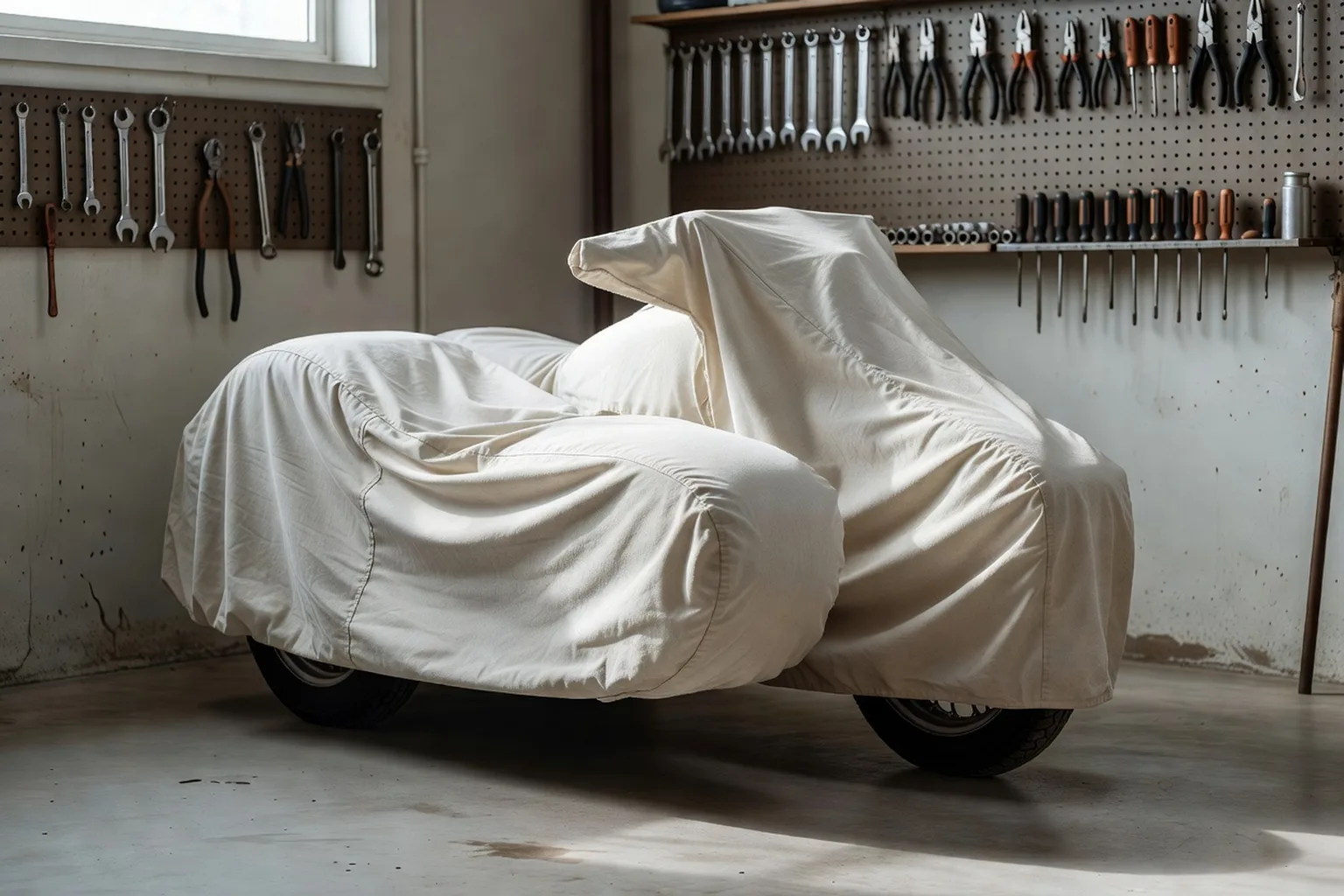
- Use a genuinely breathable motorcycle cover (not a plastic tarp), sized for a sidecar rig — most generic covers won’t fit the width.
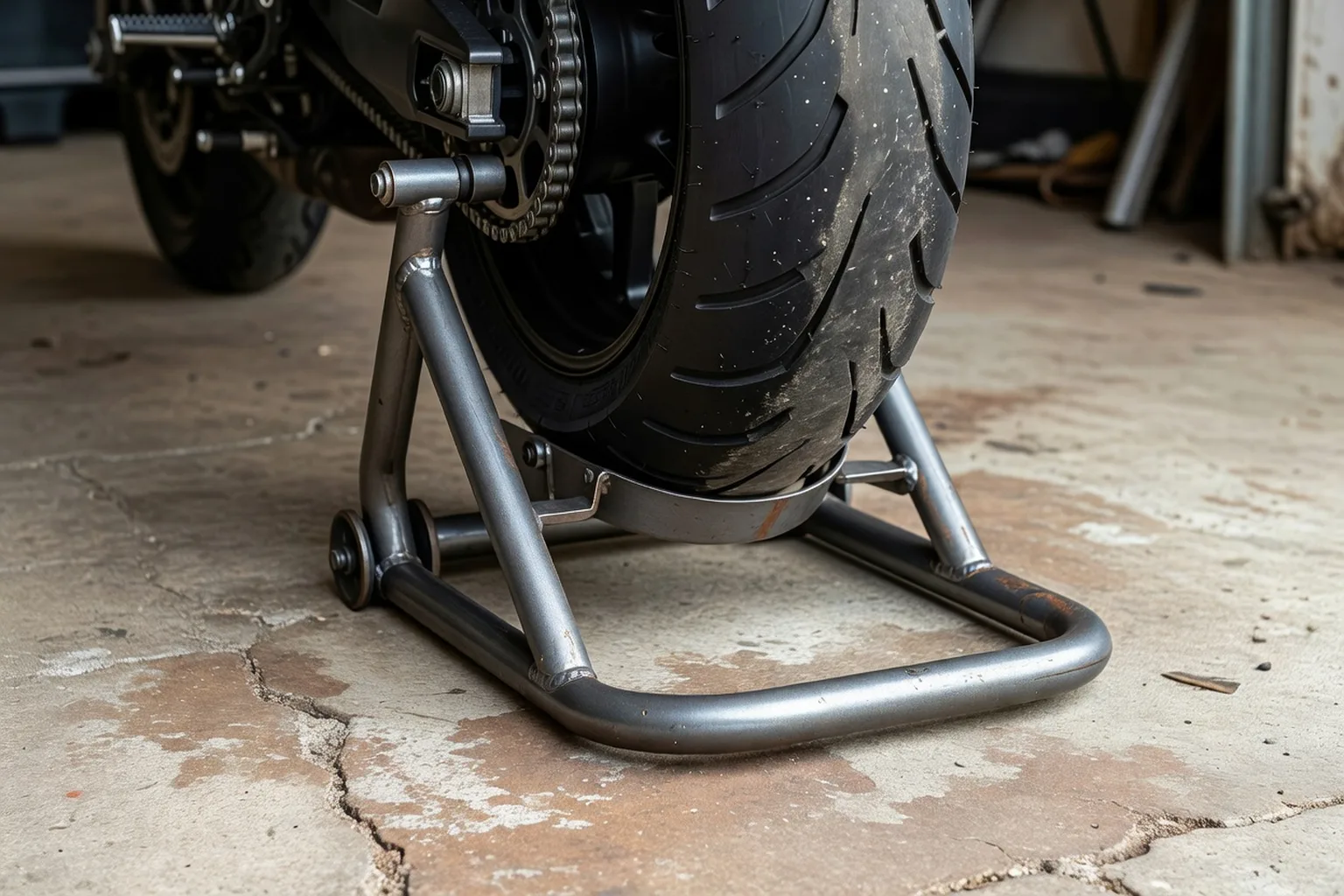
- Elevate the wheels off wet ground with wood blocks or a purpose-made stand, reducing both moisture wicking and flat-spot risk.
- Check on the bike every 2-3 weeks rather than leaving it fully unattended for the season.
- A secure car park, communal garage, or rented lock-up without heating is still a significant improvement over open-air street storage.
- Consider a seasonal arrangement through a local Ural club or specialist workshop, which some owners use specifically to avoid outdoor-storage compromises.
Fuel System: Stabilizer vs Draining
Modern fuel, particularly ethanol-blended petrol common across Europe, degrades over weeks of inactivity and leaves gum and varnish deposits in carburetor jets or, on EFI models, can affect injector performance if left to sit untreated. Two approaches:
- Fuel stabilizer in a full tank (the approach most owners use): fill the tank most of the way, add a stabilizer additive at the manufacturer’s recommended ratio, and run the engine for a few minutes to circulate treated fuel through the carburetor or injection system before shutdown. A fuller tank also minimizes the air space where condensation can form inside the tank.
- Draining the system: more thorough but more labour-intensive, and worth it mainly for very long-term storage (a year or more) or on older carbureted machines where ethanol-related gum buildup has been a recurring problem. A drained carburetor float bowl in particular avoids the classic spring symptom of a gummed pilot jet and a rough or non-existent idle.
If storing an older carbureted example specifically, our Ural spare parts guide is a useful reference for sourcing jets and gaskets if a spring clean-up turns out to be needed.
Battery Maintenance Over Winter
| Battery type | Self-discharge behaviour | Recommended winter approach |
|---|---|---|
| Standard lead-acid | Faster self-discharge, more vulnerable to sulfation if left flat | Smart maintainer connected continuously; check voltage monthly |
| AGM | Slower self-discharge, tolerates partial-discharge cycling better | Smart maintainer still recommended, but less critical if checked periodically |
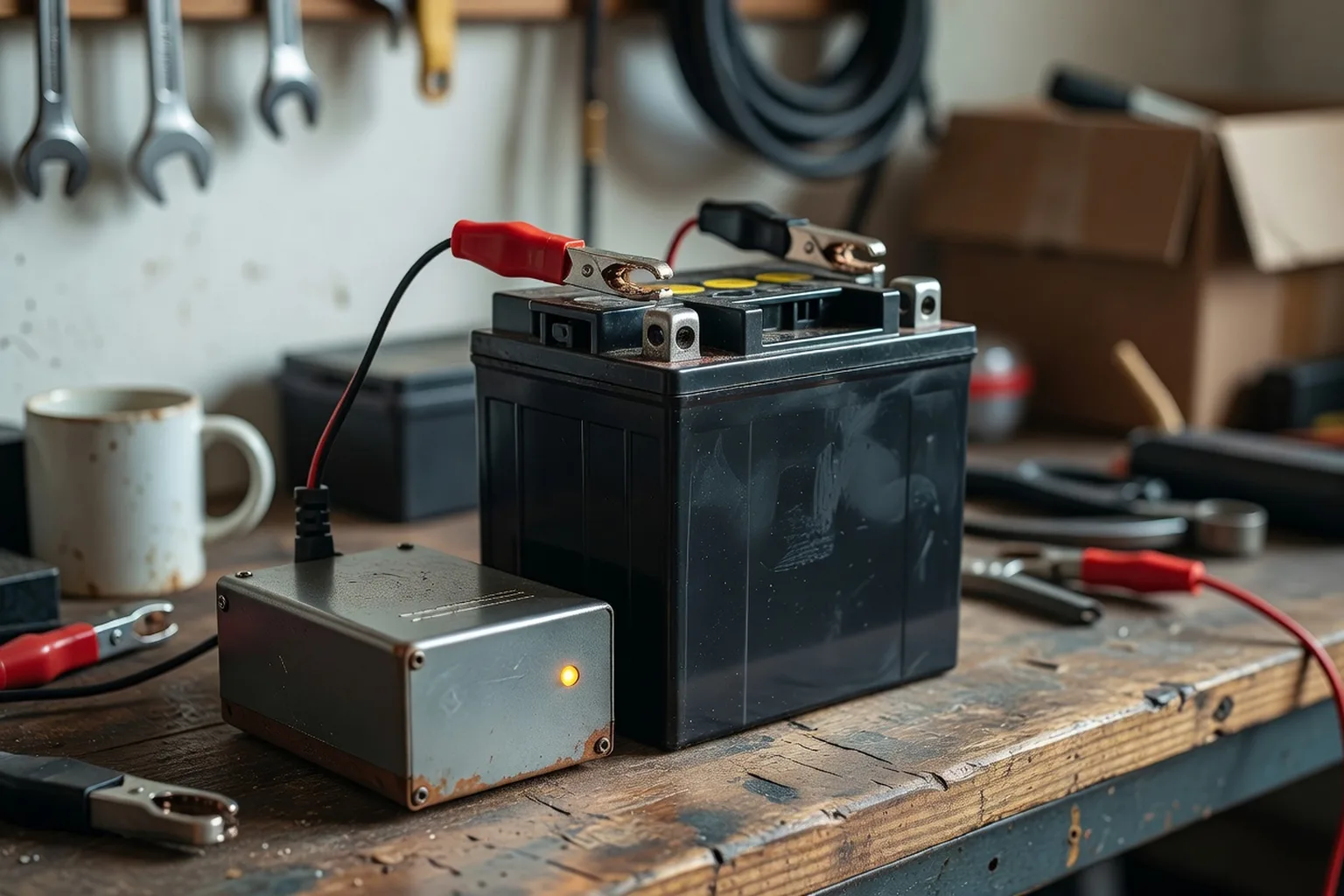
A smart battery maintainer (sometimes sold under names like Battery Tender) is the right tool either way — it charges to full and then trickles just enough current to offset self-discharge, without overcharging the way a basic charger left connected indefinitely can. If a maintainer isn’t available, disconnect the battery entirely and store it somewhere temperate (not freezing) rather than leaving it connected and slowly draining in a cold garage.
Corrosion Protection for Chrome and Bodywork
The Ural’s exposed chrome — engine cylinders, exhaust, and various trim — and painted bodywork are more vulnerable during storage than while riding, because standing moisture has time to work rather than being displaced by airflow and heat.
- Wash and thoroughly dry the bike before storage; road salt and grime left on over winter actively accelerate corrosion.
- Apply a corrosion-inhibiting product (a light oil film or a dedicated anti-corrosion spray) to exposed chrome and any bare metal, reapplying partway through a long storage period if the bike is checked periodically.
- Wax painted bodywork before storage as an added moisture barrier.
- Pay particular attention to fasteners and brackets on the sidecar chassis, which see less airflow than the motorcycle itself and can develop surface rust unnoticed.
Tyre Positioning to Prevent Flat Spots
A motorcycle or sidecar rig left stationary on its tyres for months develops flat spots where the tyre’s own weight compresses the contact patch — a particular risk with a three-wheel platform since all three tyres are loaded continuously with no opportunity to shift weight the way a solo motorcycle might on its stand.
The most effective approach is getting all three wheels off the ground, using a combination of a centre stand (where fitted) and blocks or stands positioned under the frame and sidecar chassis to fully unload the tyres. Where that’s not practical, rotating the bike slightly every few weeks and keeping tyre pressures at the higher end of the recommended range during storage both reduce (without eliminating) flat-spot risk.
Sidecar-Specific Storage Considerations
The sidecar body adds storage considerations a solo motorcycle doesn’t have:
- A properly fitted cover needs to account for the sidecar’s width and the gap between the tub and the motorcycle — a solo-bike cover generally won’t work.
- Ventilation matters specifically for the sidecar tub, which can trap condensation in an enclosed space if sealed tightly under a cover with no airflow.
- Check the sidecar’s own fasteners and mounting hardware for corrosion protection separately from the motorcycle — this hardware is often overlooked because it’s less visible than the main engine and frame.
Insurance During Extended Storage
A bike sitting unused for months is still a financial exposure worth thinking about, even parked. Comprehensive coverage that includes theft and fire protects against the (admittedly lower-probability) risk of loss during storage, and dropping to third-party-only coverage during winter months — a discount some insurers offer for documented off-road storage — only makes sense if the storage location itself is genuinely secure.
Before switching to a reduced storage policy, confirm with your insurer exactly what “laid up” or “off-road” status requires: some insurers require formal notification of the storage period and location, and riding the bike even briefly (a quick spin to keep the battery active, for instance) while under a reduced storage policy can create a coverage gap if something goes wrong during that ride. If in doubt, a quick call to confirm the policy terms before winter starts avoids an unpleasant surprise later.
Spring Restart Checklist
After 4+ months of storage, work through this sequence rather than simply turning the key:
- Visual inspection first: check for any new corrosion, fluid leaks that developed during storage, and rodent damage to wiring or hoses — a genuine risk in garage and shed storage.
- Battery: reconnect (or install, if removed) and confirm full charge with a voltmeter before attempting to start.
- Tyres: check pressures and inspect for flat-spot deformation or cracking, particularly if the bike wasn’t elevated.
- Fluids: check oil level and condition — if the engine oil wasn’t changed before storage, plan to change it shortly after the first few rides, since moisture can accumulate in oil left sitting for months.
- Fuel system: if stabilizer was used correctly, the bike should start normally; if it hesitates or runs rough, suspect gum in the carburetor and be prepared to clean jets.
- Cables and controls: check throttle, clutch, and brake lever action before riding — stiffness after storage is common and should be addressed with lubrication before the first ride, not ignored.
- First start: let the engine idle for several minutes rather than riding off immediately, giving oil pressure and lubrication time to fully establish.
- First ride: keep it short and local, and recheck for leaks or unusual noises once the bike has fully warmed through.
Key takeaway: A rushed restart — turning the key and riding off immediately — is where deferred storage problems (a gummed carburetor, a marginal battery, stiff cables) turn into a roadside breakdown. The checklist above exists specifically to catch those issues in the driveway instead.
For year-round maintenance beyond the storage season, see our complete maintenance guide, and if winter storage has you thinking about total ownership costs, our cost of ownership analysis factors seasonal upkeep into the bigger picture.
Storage Duration: A Quick Reference
Not every period of inactivity calls for the same level of preparation. Matching effort to actual duration avoids both under-preparing a bike left for months and over-preparing one that’s only sitting for a few weeks.
| Inactivity period | Fuel system | Battery | Tyres |
|---|---|---|---|
| Under 2 weeks | No action needed | No action needed | No action needed |
| 2-6 weeks | Keep tank reasonably full | Maintainer recommended if available | No action needed |
| 6 weeks-4 months | Stabilizer additive in full tank | Maintainer required | Elevate if practical |
| 4+ months (full winter) | Stabilizer additive, consider draining for very old carbureted models | Maintainer required, check monthly | Elevate, rotate periodically if not elevated |
Key takeaway: Most storage mistakes come from treating a six-week layup the same as an overnight one, or a full winter the same as six weeks — matching preparation to actual duration is what this table is for.
Humidity Control Inside a Closed Garage
Even a dry-looking unheated garage can trap more moisture than it appears to if it’s well-sealed with little airflow. A moisture-absorbing desiccant placed near the bike, a window or vent cracked slightly where security allows, and keeping damp covers or riding gear out of the same enclosed space all reduce this risk. It matters most in an unheated, well-sealed garage — the storage location that looks safest on paper but can quietly generate as much corrosion risk as an outdoor breathable cover.
Frequently Asked Questions
As a practical threshold, anything under about 4-6 weeks generally doesn't require full winterization — a battery maintainer and a fuel tank kept reasonably full are usually sufficient. Beyond 6 weeks, and especially over a full winter season of 3-4 months, complete winterization (fuel treatment, tyre positioning, full corrosion protection) is warranted, because gum buildup in the fuel system and battery sulfation both accelerate significantly past that point.
For most owners, a fuel stabilizer additive in a full tank is more practical than draining, and it's equally effective at preventing gum and varnish buildup in carburetors or fuel injectors. A full tank also reduces condensation inside the tank, which a drained tank doesn't. Draining is worth considering only if the bike will sit for a very extended period (a year or more) or if you're laying up an older carbureted model with known ethanol-sensitivity issues in the fuel system.
Standard lead-acid batteries self-discharge faster and are more vulnerable to damage from deep discharge in cold storage, so they need more frequent maintainer attention. AGM (absorbent glass mat) batteries hold their charge longer, tolerate partial discharge better, and generally handle the charge/discharge cycling of a smart maintainer more gracefully over a full winter — which is why many owners planning long-term storage upgrade to AGM specifically for this reason, independent of any performance difference while riding.
Yes, with the right precautions. Use a breathable motorcycle-specific cover rather than a tarp, which traps condensation against the paint and chrome. Elevate the bike off wet ground where possible (even simple wood blocks under the tyres help), ensure the cover allows some airflow rather than sealing tightly to the ground, and check on the bike periodically through the season, since outdoor storage requires more frequent inspection than a heated garage.
Moisture trapped against metal is the most consistently damaging factor — whether from an unventilated cover, an unheated garage with condensation cycles, or a sealed tarp. It drives corrosion on chrome and exposed steel far faster than cold temperatures alone. Ventilation and moisture control, more than heating, are what separate a bike that comes out of storage clean and one that needs rust remediation in spring.