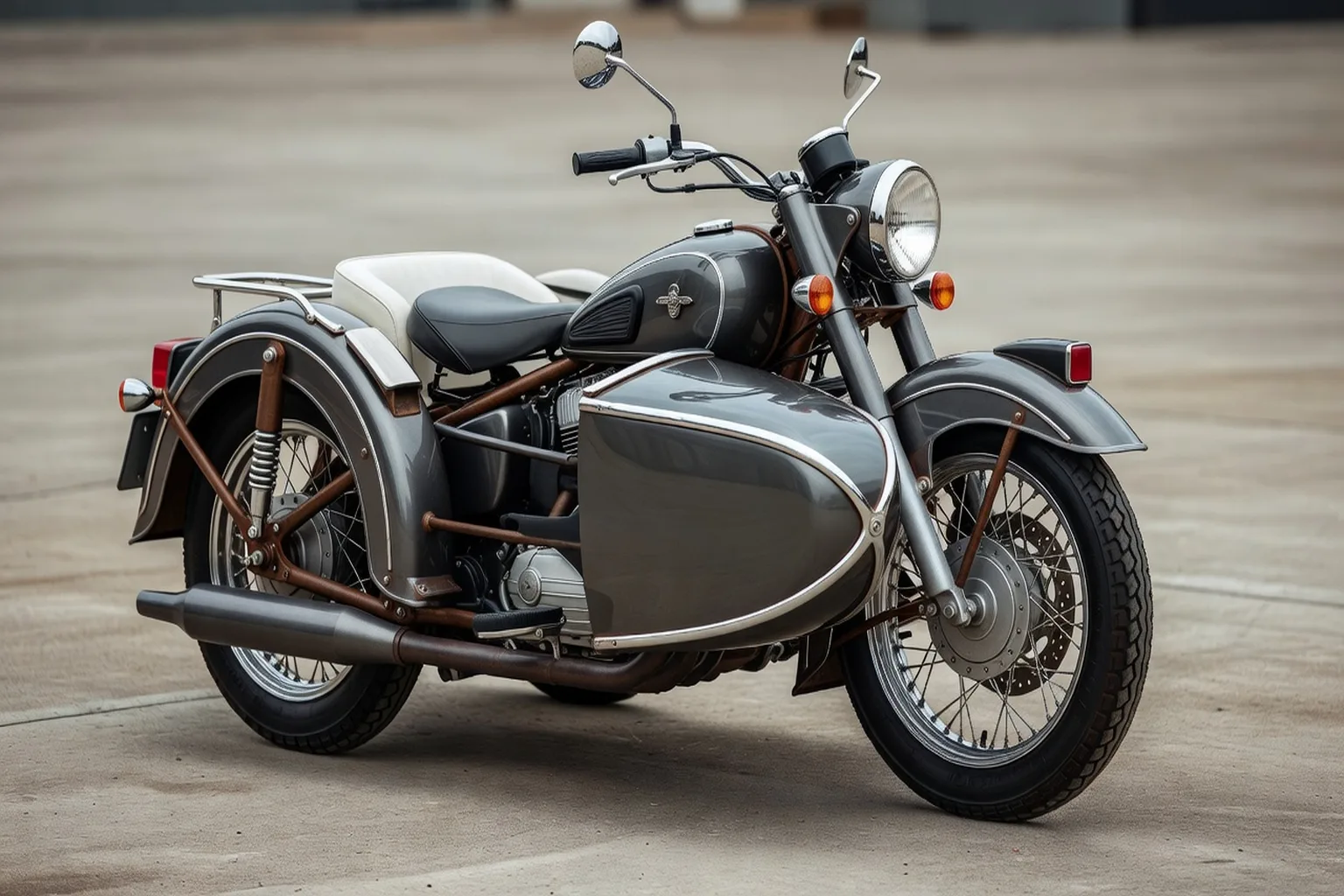
Selling a niche vehicle like the Ural isn't the same as selling a mainstream used motorcycle. This guide covers what actually raises resale value, the paperwork French law requires, pricing without a reliable Argus comparison, and where to list it so it reaches the right buyer.
Selling a Niche Vehicle Requires a Different Playbook
Most advice about selling a used motorcycle assumes a mainstream vehicle with a deep resale market, standardized valuation tools, and buyers who already know what they’re looking at. None of that quite applies to a Ural. This guide takes the seller’s side of a transaction that our buying guide already covers from the buyer’s perspective — what actually raises a used Ural’s value, the documents French law requires for any private vehicle sale, how to price it without a reliable comparison index, and which channels reach buyers who understand the platform. Get preparation and paperwork right, and a Ural sale is straightforward; skip it, and you’re either leaving money on the table or exposed to a dispute after the sale.
Key takeaway: The buyer pool for a Ural is small enough that reaching the right specialist channel — a club, a forum, a dedicated marketplace — matters more to your final sale price than almost any cosmetic preparation you could do to the bike itself.
What Actually Increases a Used Ural’s Value
Unlike a mainstream commuter motorcycle where mileage alone often dominates pricing, several factors weigh more heavily for this specific platform:
- Documented maintenance history: a complete, itemized service record is the single strongest value signal, since buyers of a mechanically distinctive vehicle place real weight on proof of proper care over time.
- Mileage: still relevant, but less determinative than on a mainstream bike — an Ural with higher mileage but immaculate documented maintenance often outsells a lower-mileage example with no service history.
- Mechanical and bodywork condition: given the platform’s relative mechanical simplicity, a buyer (or their inspector) can usually assess condition directly, so cosmetic and mechanical presentation both matter and are worth investing preparation time in.
- Model and year rarity: certain generations or limited-production variants carry meaningful premiums among informed buyers, in a way a mainstream production motorcycle’s model year rarely does. Our Ural models guide is a useful reference for placing your specific machine within the wider range.
Key takeaway: A complete maintenance file, even a simple binder of receipts and dates, is worth more to your final price on a Ural than it would be on a mainstream commuter bike — this buyer pool actively reads and values that documentation.
Legally Required Documents for a Sale in France
Selling any vehicle privately in France requires specific paperwork, and a Ural is no exception:
- Certificat de cession (Cerfa form 15776): the official transfer certificate, completed and signed by both buyer and seller, in duplicate.
- Technical inspection (contrôle technique): required and must be less than 6 months old at the point of sale for vehicles subject to the inspection requirement.
- Carte grise (registration document): must be marked as sold — barred with a diagonal line, annotated “vendu le [date]” with your signature, and handed to the buyer along with a copy of the sale declaration.
- Online declaration of transfer: completed through the official ANTS (Agence Nationale des Titres Sécurisés) system, which formally registers the change of ownership and releases you from liability for the vehicle going forward.
Missing or incomplete paperwork isn’t a minor administrative issue — it can leave the seller legally liable for the vehicle (traffic violations, accidents) after the sale if the transfer wasn’t properly declared, so this step shouldn’t be treated as optional or deferred.
Pricing Without a Reliable Argus
The standard French Argus index, widely used to price mainstream used vehicles, is thin or effectively unreliable for a low-volume vehicle like the Ural — there simply aren’t enough transactions feeding the data for it to be a precise tool here.
| Pricing method | Reliability for a Ural | Best used for |
|---|---|---|
| Generic Argus lookup | Low — insufficient transaction volume | Rough starting reference only |
| Comparable listings on Ural-specific forums/clubs | High — reflects actual niche-market pricing | Primary pricing anchor |
| Specialist sidecar/adventure-bike marketplaces | Moderate to high | Secondary confirmation |
| Generalist vehicle marketplace listings | Low to moderate — mixed buyer sophistication | Volume/exposure, not pricing precision |
The practical approach: gather three or four genuinely comparable recent sales (same or similar model, comparable condition and mileage) from specialist channels rather than a single generic valuation, and price against that reality rather than a generic tool’s output.

Mechanical and Cosmetic Preparation Before Listing
A modest preparation investment before listing tends to pay back well beyond its cost, given how much documented condition matters to this buyer pool. Our maintenance guide covers the routine work worth catching up on before photographing the bike:
- Complete any overdue routine maintenance (oil, filters, valve adjustment) and document it — an oil change done the week before listing, with a receipt, is a meaningful signal to a buyer.
- Address minor cosmetic issues (touch-up paint, chrome polish, seat condition) rather than leaving them for the buyer to negotiate down.
- Ensure the technical inspection is current — a fresh contrôle technique both satisfies the legal requirement and demonstrates roadworthiness to a cautious buyer.
- Gather all documentation into one organized file: service records, original purchase paperwork, any parts receipts, and prior contrôle technique reports.
Writing an Effective Listing
An Ural buyer looks for different information than a buyer shopping a mainstream Japanese motorcycle, and a listing that doesn’t address this reads as written by someone unfamiliar with the platform.
- Lead with maintenance history and documentation, not just mileage and price — this buyer pool weighs it more heavily than most.
- Specify the exact model, generation, and drivetrain details (2WD/reverse gear, carbureted vs EFI) precisely — these materially affect value and buyer fit in ways a generic “motorcycle” description won’t capture.
- Include honest condition notes, including known issues — vague or overly polished listings draw more time-wasting inquiries from a buyer pool that knows what to ask about.
- Photograph mechanically relevant details: engine, gearbox, sidecar mounting points, tyre condition — informed buyers look for these before even contacting the seller.
Where to List: Specialist Channels vs Generalist Marketplaces
- Ural clubs and owner forums: typically the highest-quality buyer pool — members are informed, self-selected for genuine interest, and often willing to travel for the right example.
- Specialist sidecar and adventure-motorcycle marketplaces: a solid secondary channel, reaching enthusiasts beyond just the Ural-specific community.
- Generalist vehicle marketplaces: broader reach and useful for visibility, but expect more inquiries from buyers unfamiliar with the platform, and be prepared to field basic questions that a specialist-channel buyer wouldn’t need to ask.
A combined approach — specialist channels for the qualified buyer pool, a generalist listing for additional reach — generally outperforms relying on either alone.
Legal Pitfalls: Hidden Defects and Seller Liability
French law holds private sellers to a legal warranty against hidden defects (garantie des vices cachés), meaning a seller who knowingly conceals a defect materially affecting the vehicle’s use or value can be held liable even in a private, non-professional sale. The safest practice:
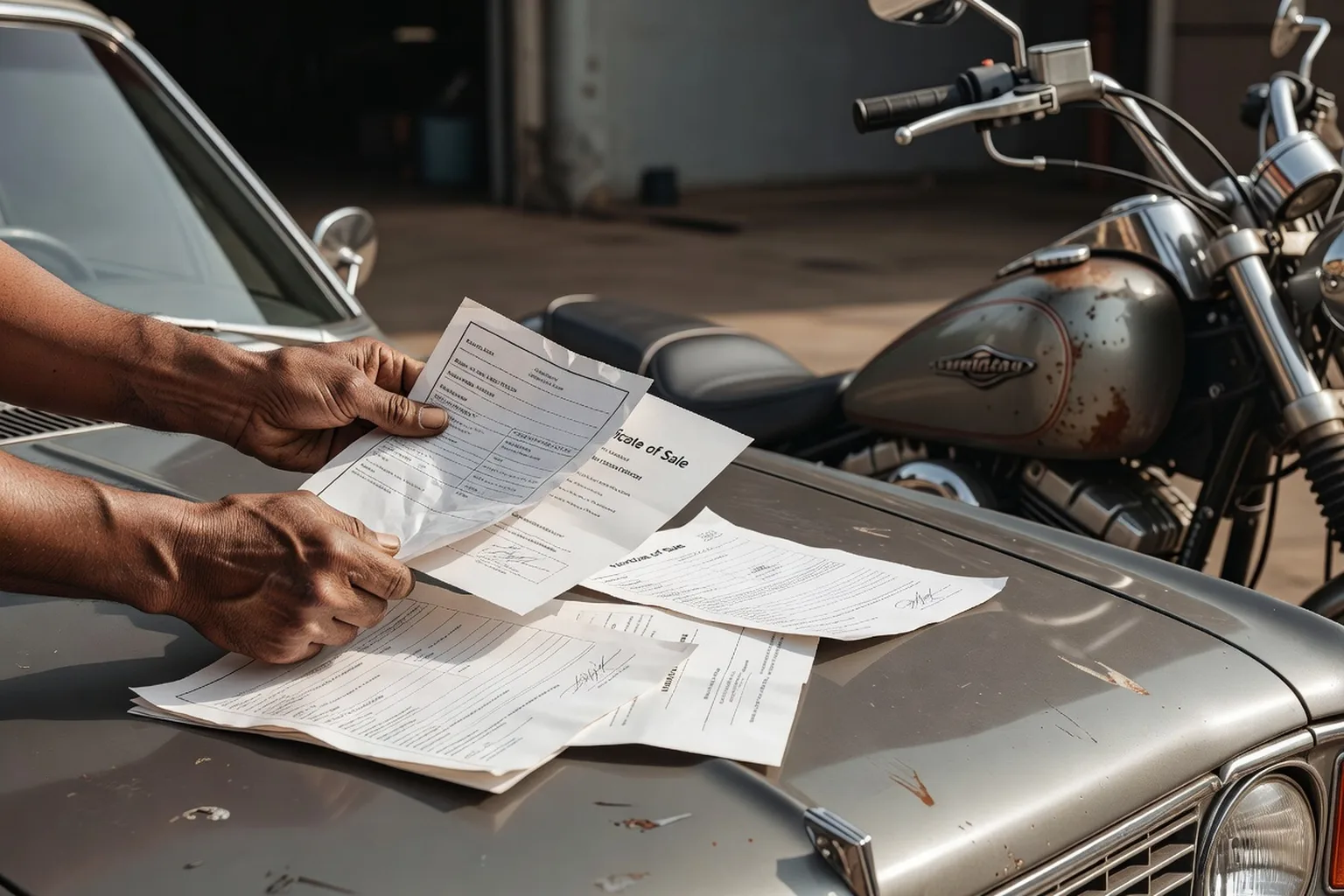
- Disclose known mechanical or bodywork issues in writing as part of the sale documentation, not only verbally during a viewing.
- Avoid overstating condition in the listing beyond what you can substantiate — an inflated description that doesn’t match the vehicle on inspection is both a poor-faith practice and a liability risk.
- Keep a copy of any written disclosure alongside your sale paperwork, in case a dispute arises after the transaction.
Key takeaway: A short written disclosure of known issues, handed to the buyer alongside the certificat de cession, costs you nothing at the point of sale and is the single best protection against a hidden-defect dispute months later.
Handling Negotiation with an Informed Buyer
Buyers who reach you through specialist channels tend to arrive already knowledgeable — they’ve likely researched the model, know roughly what comparable examples sell for, and will ask specific mechanical questions rather than generic ones. This changes the negotiation dynamic compared to a mainstream vehicle sale.
Price reductions requested for genuine, verifiable issues (a documented deferred maintenance item, tyres near the end of their life) are reasonable to accommodate, since an informed buyer has usually already priced that into their offer. Reductions requested on vague grounds (“it just seems like a lot”) are easier to hold firm on if your pricing research and documentation are solid — this is precisely why gathering comparable sales data before listing matters: it gives you a concrete answer when a buyer pushes back generically rather than specifically.
Being prepared to walk away from a lowball offer is easier when you know your price is grounded in real comparable data rather than a guess — sellers who priced carefully upfront generally negotiate from a stronger position than those relying on a single Argus figure that the buyer may also have seen and already discounted mentally.
Pre-Listing Checklist
- Gather complete maintenance and service records into one file
- Complete any overdue maintenance and document it
- Obtain a current contrôle technique (under 6 months old)
- Research 3-4 comparable recent sales on specialist channels for pricing
- Address minor cosmetic issues before photographing
- Photograph mechanical details, not just flattering angles
- Write a listing that leads with documentation and precise model/drivetrain details
- Prepare a written disclosure of any known defects
- Have the certificat de cession (Cerfa 15776) ready in duplicate
- Confirm you’re ready to complete the ANTS online transfer declaration promptly after sale
With preparation, pricing, and paperwork handled in that order, a Ural sale in France is a straightforward transaction — the platform’s niche status is a pricing and channel challenge, not a legal or logistical one. For the buyer-side perspective on what makes a listing attractive, our buying guide is a useful cross-check before you finalize your own listing.
Negotiation Expectations for a Niche Vehicle
Because comparable pricing data is thin, negotiation on a Ural often unfolds differently than on a mainstream used motorcycle, where both parties can reference the same Argus figure as a starting point. Sellers who’ve done the pricing work outlined above — gathering genuine comparable sales rather than relying on a generic tool — are in a stronger position to hold their price with documentation to support it, rather than negotiating from an unsupported asking figure a buyer can challenge without a clear counter-reference. Once agreed, confirm the buyer completes their portion of the ANTS declaration alongside yours, retain copies of all signed paperwork for your own records, and notify your insurer promptly that the vehicle has been sold.
Key takeaway: Come to a negotiation with your comparable-sales research in hand, not just a price you’ve decided feels fair — on a vehicle this specific, the seller who can point to actual recent comparable transactions has a real advantage over one negotiating from instinct alone.
Frequently Asked Questions
Documented maintenance history is consistently the strongest value driver, more so than mileage alone. A Ural with a complete service record — oil changes, valve adjustments, any major work like a rebuild — reassures a buyer that a mechanically complex, niche vehicle has been properly cared for, which matters more to this specific buyer pool than it might for a mainstream commuter bike where service history is less scrutinized.
You need a certificat de cession (transfer certificate, form Cerfa 15776) completed and signed by both parties, a technical inspection (contrôle technique) less than 6 months old for vehicles subject to it, and your carte grise (registration document) marked as sold with the date and your signature, along with a barred diagonal line and 'vendu le [date]' noted on it. You'll also need to complete the online declaration of transfer through the ANTS system.
Rather than relying on a single Argus figure, which is thin or unreliable for a low-volume vehicle, build your price estimate from actual comparable listings on Ural-specific forums, club classifieds, and specialist marketplaces, adjusted for your specific model's condition, mileage, and documented history. Cross-referencing three or four genuinely comparable recent sales gives a far more reliable price anchor than a generic used-motorcycle valuation tool that wasn't built with this platform's data in mind.
Ural-specific clubs and owner forums, along with specialist sidecar and adventure-motorcycle marketplaces, generally reach a more qualified buyer pool than a generalist vehicle marketplace, where the listing can get lost among mainstream motorcycles and attract buyers who don't understand what they're looking at. A generalist marketplace isn't wrong to use alongside specialist channels, but it shouldn't be your only channel for a vehicle this specific.
Yes. As a private seller in France, you're bound by the legal warranty against hidden defects (garantie des vices cachés) and can be held liable if you knowingly concealed a defect that significantly affects the vehicle's use or value, even in a private sale with no professional dealer involved. Disclosing known issues in writing as part of the sale, rather than relying on a verbal mention, is the safest practice and protects you if a dispute arises later.