
Vincent Delorme has imported Russian motorcycle parts into France for nine years. He walks through how logistics have changed since international sanctions were introduced, what alternative supply routes now exist, and what current delays and costs actually look like for Ural owners.
Interview conducted by Camille Roussel, Ural-France editorial team.
Vincent Delorme runs a small import and logistics operation out of a warehouse unit near Strasbourg, close enough to the German and Swiss borders to make the most of alternative freight routing when needed. He speaks in the clipped, practical vocabulary of someone who has spent nine years dealing with customs codes, freight forwarders, and banking compliance departments rather than motorcycles themselves — though he rides a 2016 Ural on weekends. This interview focuses strictly on the concrete, verifiable logistics of his trade: shipping times, costs, alternative supply routes, and practical advice, without speculation on the broader geopolitical situation.
Vincent Delorme: Fundamentally, yes. Nine years ago, this was a relatively straightforward freight-forwarding operation — order a batch, ship it, clear customs with standard paperwork, deliver to French dealers and private customers within a few weeks. Since the sanctions regimes were introduced and subsequently expanded, my job has shifted from being mostly logistics to being roughly half logistics, half compliance research. I now spend real time checking customs classification codes, tracking updates to restricted goods lists, and confirming with banking partners what payment routes are actually usable before I even place an order. It’s a fundamentally different job than the one I started.
Most of my clients are dealers and workshops, but I also work directly with individual owners who reach out after struggling to source something themselves. A fair number of them tell me they’d assumed, incorrectly, that sourcing had become simply impossible — which isn’t accurate, but does reflect how confusing the landscape has become for someone outside the trade, including plenty of people who otherwise handle their own routine maintenance without any trouble at all.
VD: Before, a typical batch of parts — say, a mixed order of gaskets, cables, and small mechanical components — would move by a fairly direct freight route, clear customs within days given correct paperwork, and reach my warehouse within three to four weeks of the order being placed. Today, the same batch usually moves through an intermediary country for part of its journey, which adds transit time. Customs processing itself takes longer because of the additional documentation now required to demonstrate the goods and payment chain are compliant. Realistically, I now quote eight to twelve weeks for most standard orders, and I build that expectation into every client conversation from the outset so nobody is caught off guard.
There’s also more variability than before. A batch of straightforward gaskets might clear in eight weeks; a batch containing a component with an ambiguous customs classification can sit in review for considerably longer while the correct code gets confirmed. I’ve learned to separate orders by risk category rather than shipping everything together, specifically so a single uncertain item doesn’t hold up an entire shipment of otherwise routine parts.
VD: Costs have increased on multiple fronts simultaneously, which is why the final price to the customer has gone up more than any single factor would suggest. Freight itself costs more because routes are longer and less direct. Banking and compliance overhead adds a real cost — verifying transactions, additional paperwork, sometimes additional fees from banks handling the transfers. Customs clearance takes more staff time on my end, which I have to price in. Taken together, I’d estimate landed cost for a typical batch of parts has increased somewhere in the region of 30 to 50 percent compared to before, depending on the specific part category and current exchange rates. That’s a real number, not a guess — it’s what I actually see on my invoices.
I try to be transparent with clients about exactly where that increase comes from rather than folding it into a vague markup, because owners deserve to understand what they’re actually paying for. When I quote a job, I break it into freight, compliance handling, and customs fees as separate lines wherever possible. It takes longer to explain, but it builds trust, and frankly it also helps clients decide when a European or third-country alternative genuinely makes more financial sense than waiting on a direct import.
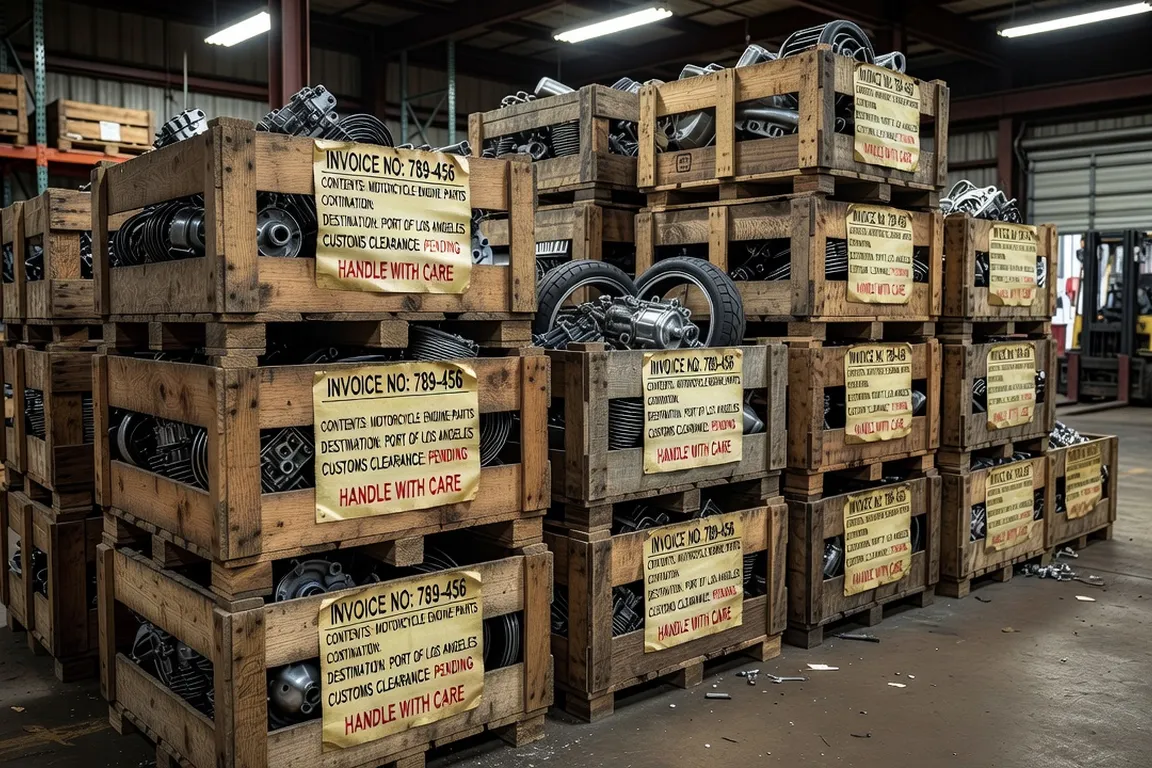
VD: Three main ones. First, European stock — a growing number of specialist dealers across Germany, Poland, and France now hold buffer inventory of the most commonly needed wear parts, which I can draw from without a fresh cross-border shipment every time. Second, third-party manufacturers, mostly in Central Europe and Asia, now produce compatible equivalents for many components, and quality has genuinely improved over the past several years as demand has grown. Third, for a small but real category of non-structural parts, local 3D printing has become a practical stopgap. None of these fully replaces direct sourcing for every part, but together they’ve meaningfully reduced how dependent my business is on any single supply route.
I’d add that this diversification has had one unexpected upside: pricing has become somewhat more competitive on certain common wear items, since owners now have real alternatives instead of being captive to a single import channel. For anyone weighing where specific parts currently stand, our detailed Ural spare parts overview breaks down the main categories and sourcing options available today.
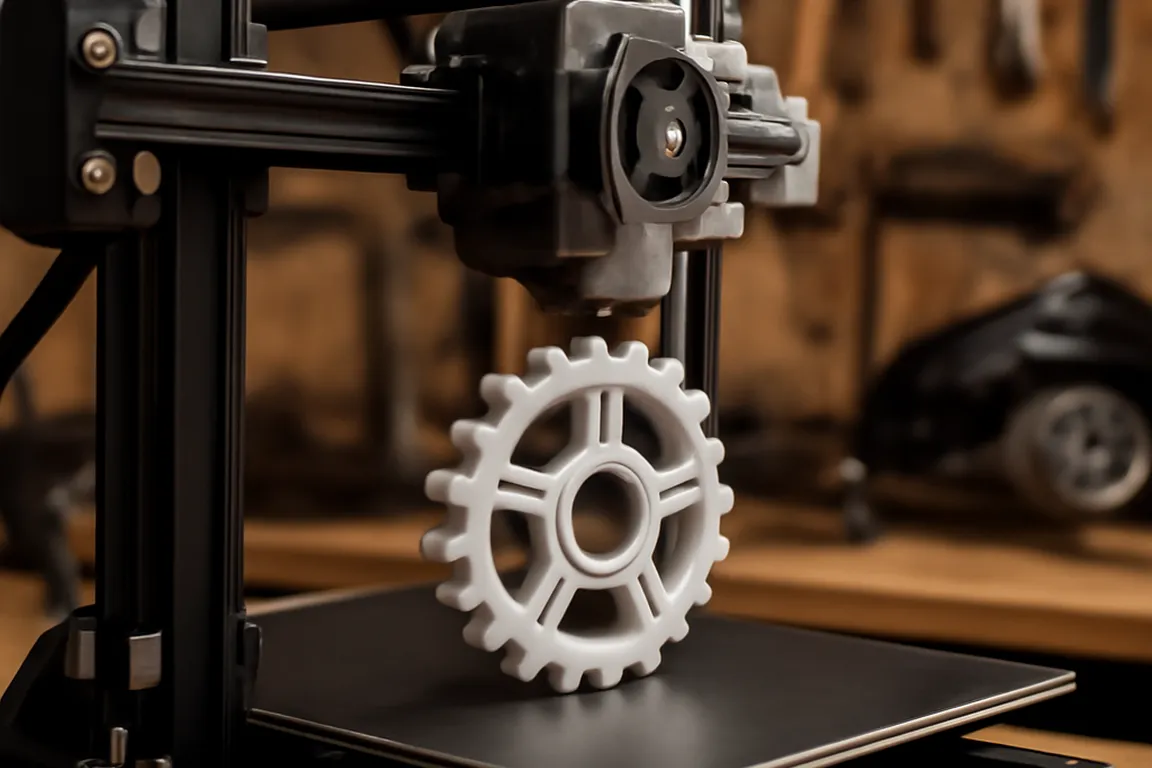
VD: A recurring case is certain interior trim clips and small plastic brackets on Urals from the mid-2000s to mid-2010s — parts that break easily, are rarely stocked because they seem minor, but leave an owner with a rattling panel or a non-secured accessory mount. I work with a small workshop near Colmar that scans the original part, or works from a technical drawing when one exists, and produces a durable nylon-composite replacement within a few days for a fraction of what sourcing an original would cost, if an original is even findable at all. It’s not a solution for anything load-bearing on the engine or gearbox, but for that specific category of parts, it has genuinely closed a gap that used to leave owners waiting months for something quite minor.
VD: Certain gearbox internals designed around Ural’s specific architecture — particular gear sets, some bearing configurations — remain the hardest category. A handful of manufacturers outside Russia have started producing compatible versions, but the range is narrower than for, say, gaskets or cables, and prices for these specific parts remain noticeably higher than they were nine years ago. Engine top-end components in certain older configurations fall into a similar category. My honest advice to owners of older machines with less common configurations is to plan further ahead for these specific parts, because “order it next week when it fails” is simply not realistic anymore for this category.
The irony is that the most common machines on French roads — later models with wider production runs — are actually the easiest to support today, precisely because higher demand has attracted more alternative manufacturers into that specific market segment. It’s the less common configurations and older production years that genuinely require patience and forward planning now.
VD: It’s an ongoing task, not a one-time check. I subscribe to several customs and trade compliance bulletins, and I cross-reference every new order against the current restricted goods lists before confirming it with a supplier. Customs classification codes matter enormously here — the same physical part can sometimes fall under different codes depending on how it’s described and packaged, and that classification determines whether it’s currently restricted. I’d strongly discourage any private individual from attempting this kind of import without professional guidance, simply because the compliance research required is genuinely substantial and the consequences of getting it wrong are not worth the risk.
VD: Waiting until something breaks before ordering the replacement. That approach worked reasonably well nine years ago when lead times were short. Today, with realistic lead times of eight to twelve weeks for many parts, waiting for a failure means your machine sits idle for two to three months, which is a long time if you were planning a summer of riding. I always tell clients to think about their maintenance schedule for the coming year and pre-order predictable wear items well in advance, rather than reacting to breakdowns. It requires a mental shift from “reactive” to “planned” maintenance, but it’s the only realistic approach given current timelines.
VD: I try to avoid speculation on that front, since it depends on factors well outside logistics — regulatory decisions I have no visibility into. What I can say concretely is that the alternative supply chains I mentioned — European stock, third-party manufacturers, local fabrication for certain parts — have been steadily maturing and will likely continue to reduce dependency on any single route regardless of what happens geopolitically. For a broader view of how the maintenance side of Ural ownership fits into this picture, it’s worth reading our detailed guide to keeping a Ural mechanically sound over time, since planning maintenance intelligently reduces how often you’re caught needing a hard-to-source part urgently.
VD: Build a relationship with an importer or dealer who tracks this landscape professionally, rather than trying to source rare parts yourself through unfamiliar channels. Keep a small personal stock of the wear parts most likely to fail on your specific model. Plan any non-trivial repair three to six months ahead rather than waiting for a breakdown to force your hand. And when a European or third-country alternative part exists and has a good track record, don’t automatically assume the original Russian-made part is superior — for many components, it genuinely no longer is. Being pragmatic about sourcing, rather than purist, is what keeps a Ural on the road today.
If there’s one broader lesson from nine years of doing this work, it’s that the owners who cope best with the current environment are the ones who treat parts sourcing as an ongoing planning exercise rather than a series of emergencies. That mental shift costs nothing and saves owners the most time and money, by a wide margin, compared to any specific sourcing trick I could offer. For anyone assessing a used machine’s parts history before buying, our guide to buying a used Ural covers exactly what to check regarding prior repairs and part substitutions.
VD: The community has become a genuine part of the solution, almost as much as my own work as an importer. The French Ural owner base is small but very active — Facebook groups, specialist forums, and regional gatherings have become real hubs for sharing information about parts availability, actual lead times other members have experienced, and sometimes direct mutual aid between owners helping each other out with spare parts.
I regularly see owners pooling orders to reach a more attractive volume threshold with a given third-party manufacturer, which lowers the per-unit cost for everyone involved. It’s a dynamic I actively encourage, even when it doesn’t go through me directly — a healthy market benefits every serious participant over the long run, importers included.
This community mutual aid partly compensates for longer official lead times: an owner with an unused spare part in a drawer can help another out while they wait on their own order. Owners’ clubs and gatherings in France act as a real catalyst for this kind of solidarity, well beyond the simple pleasure of meeting fellow enthusiasts. For readers interested in this wider community dimension, Association Ruslan covers Franco-Russian cultural exchange that many Ural owners intersect with through club activities.
Five quick-fire questions
1. All Ural spare parts from Russia are currently banned from import into France. False — restrictions apply to specific categories and customs classifications, not a blanket ban on all parts.
2. Typical lead times for parts from Russia have roughly doubled or tripled compared to before the sanctions. True — Vincent quotes 8-12 weeks today versus 3-4 weeks previously for standard orders.
3. European-made alternative parts are now available for most common wear items. True — gaskets, cables, and many electrical and suspension components now have viable non-Russian equivalents.
4. 3D printing can fully replace sourcing for any missing Ural part. False — it works well for non-structural plastic components but is not a practical or safe solution for load-bearing metal parts.
5. Landed costs for imported parts have stayed roughly the same despite longer routes. False — Vincent estimates a 30-50% cost increase due to freight, compliance, and customs overhead combined.
Vincent Delorme’s final advice
- Shift from reactive to planned maintenance — order predictable wear parts months ahead.
- Build a relationship with a professional importer who actively tracks customs regulations.
- Keep a small personal stock of the parts most likely to fail on your specific model and year.
- Don’t assume “original” always beats a well-reviewed European or third-country alternative.
- Consider local 3D printing for minor non-structural plastic parts before assuming a part is unfindable.
- Verify current customs classification before any private import attempt — never rely on last year’s rules.
- Budget realistically: expect landed costs 30-50% higher than pre-sanctions pricing.
- Plan any major repair three to six months in advance, especially for gearbox or engine internals.
- Diversify sourcing across European stock, third-party manufacturers, and direct import rather than relying on one channel.
- Stay in regular contact with your dealer or importer about realistic timelines before committing to a repair schedule.
For a complete picture of sourcing options today, see our overview of Ural spare parts in France and our practical maintenance guide. Readers interested in the broader context of Franco-Russian trade and culture can also consult Gazeta France-Oural.
Frequently Asked Questions
Certain categories of goods face restrictions under the sanctions regimes currently in force, and the list of restricted items has been updated multiple times, so the honest answer is that it depends on the specific part, its customs classification code, and current regulations at the time of shipment. Motorcycle spare parts are not universally banned, but dual-use classifications and shifting customs codes mean that a professional importer who tracks regulatory updates is far safer than an individual attempting a one-off private import. Always verify the current customs classification before committing to an order rather than assuming last year's rules still apply.
Several logistics factors compound each other: fewer direct shipping and freight routes are available, banking transactions take longer to clear through the additional compliance checks now required, and customs processing itself is slower because of the additional documentation required for goods originating from Russia. Where a part might once have taken three to four weeks door to door, many categories now realistically take eight to twelve weeks, and some specific components can take longer depending on the shipping method and current customs backlog.
For many wear components — gaskets, cables, certain electrical parts, some suspension elements — European or third-country manufacturers now produce equivalents that perform comparably, and in some cases more consistently, than the originals. For a smaller set of highly specific components, particularly certain engine and gearbox internals designed around Ural's particular architecture, exact original-spec parts remain harder to substitute, though the range of viable alternatives keeps expanding as demand grows.
For non-structural plastic components — certain trim pieces, brackets, some electrical housings — 3D printing in durable materials has become a genuinely practical stopgap, and several small workshops in France now offer this as a service for Ural owners. For metal components under real mechanical load, such as gearbox or engine internals, 3D printing in metal exists but remains expensive and is generally reserved for genuinely irreplaceable parts rather than routine wear items, where a manufactured alternative is usually more cost-effective.
Keep a basic stock of the parts most likely to fail or wear out on your specific model and year, order well ahead of any planned long trip rather than waiting for a breakdown, and build a relationship with a specialist importer or dealer who can tell you realistic lead times before you commit to a repair schedule. Planning three to six months ahead for anything non-trivial has become the realistic standard rather than the exception.