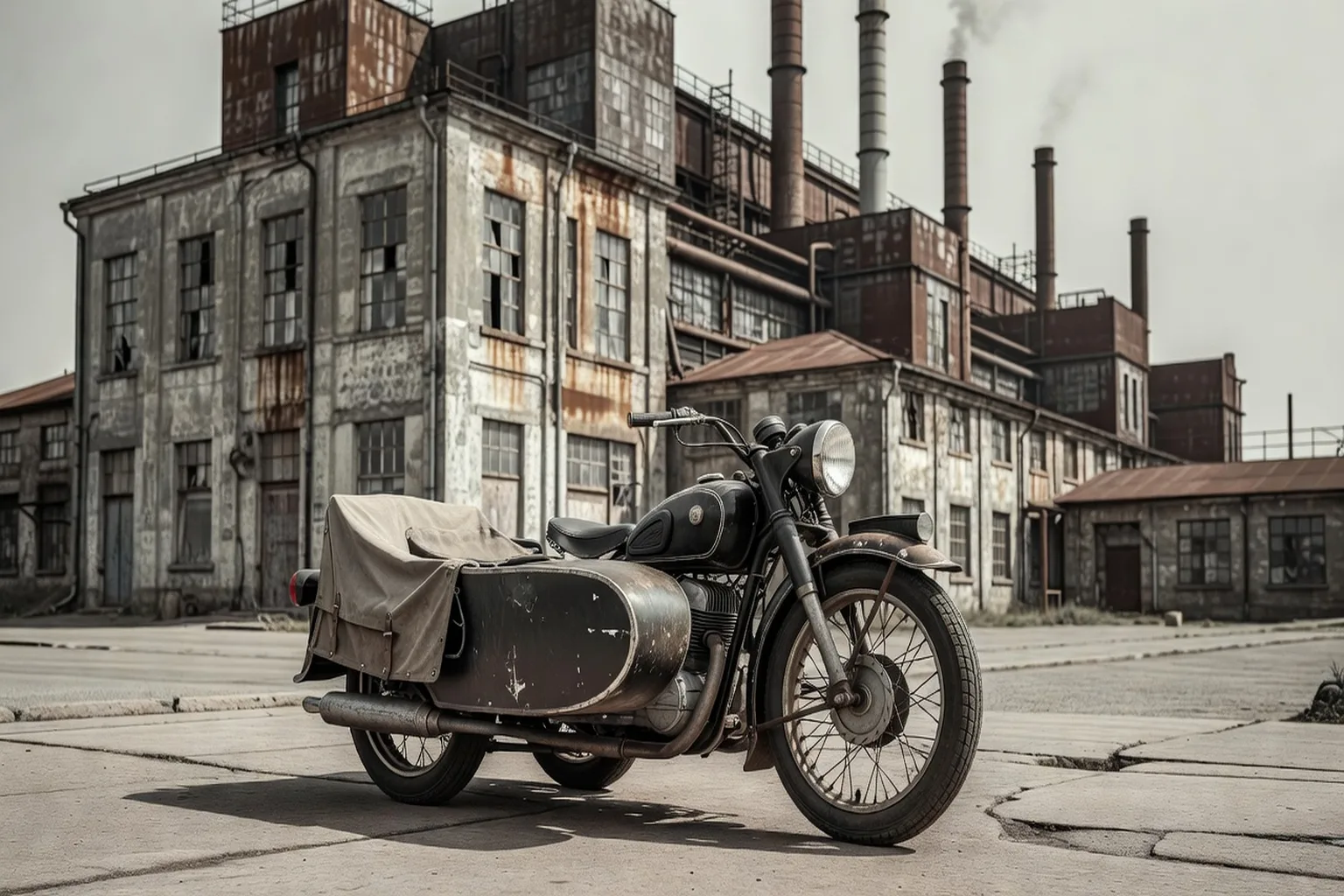
Before it became a niche collector's machine in Western Europe, the Ural sidecar was built for a Soviet military and Warsaw Pact export market. This dossier traces the documented history of its international spread, from wartime production in Irbit to today's distribution networks.
A Sidecar Built for Export Before It Was Built for Collectors
Long before Western enthusiasts started importing Urals as expedition bikes and weekend collectibles, the platform was designed and produced with an explicit military and Warsaw Pact export logic. Understanding that history matters for a specific practical reason: it helps explain what you’re looking at when you encounter an older machine of uncertain origin, and why the modern export-market Ural sold in France or North America today is a genuinely different product from the wartime and Cold War-era machines that share its name and silhouette. This dossier separates documented facts — dates, locations, production shifts — from the broader Cold War context, and from editorial interpretation of what the export history means for today’s market. For the brand’s full manufacturing and model timeline, see our history of the Ural motorcycle; this article focuses narrowly on the export and international distribution dimension.
Key takeaway: The Ural you can buy from a Western dealer today shares a design lineage with a machine that was built for the Red Army, not for export showrooms — the transition from military-industrial product to internationally distributed civilian motorcycle took roughly fifty years.
Documented Facts: Origins and Wartime Relocation
The lineage that became the Ural traces to Soviet military planners’ decision in the late 1930s to acquire manufacturing rights and technical documentation for the BMW R71 flat-twin sidecar, then in production in Germany, to establish domestic production for the Red Army. Assembly began near Moscow, but in 1941, with the German invasion threatening western Soviet industrial centres, production was relocated east to Irbit, in the Sverdlovsk region on the eastern side of the Ural Mountains — a site chosen specifically because it was far from the front line and connected to the rail network needed to supply military production.
This relocation is the origin of the brand name and geography that still defines the company today. The resulting M-72 and its successors were built primarily to equip Soviet forces, a role the platform continued to serve — alongside growing civilian, agricultural, and utility applications — for decades after the war ended. For how that architecture compares to the German original it descended from, see our Ural vs BMW sidecar comparison.
Warsaw Pact Distribution: What’s Documented
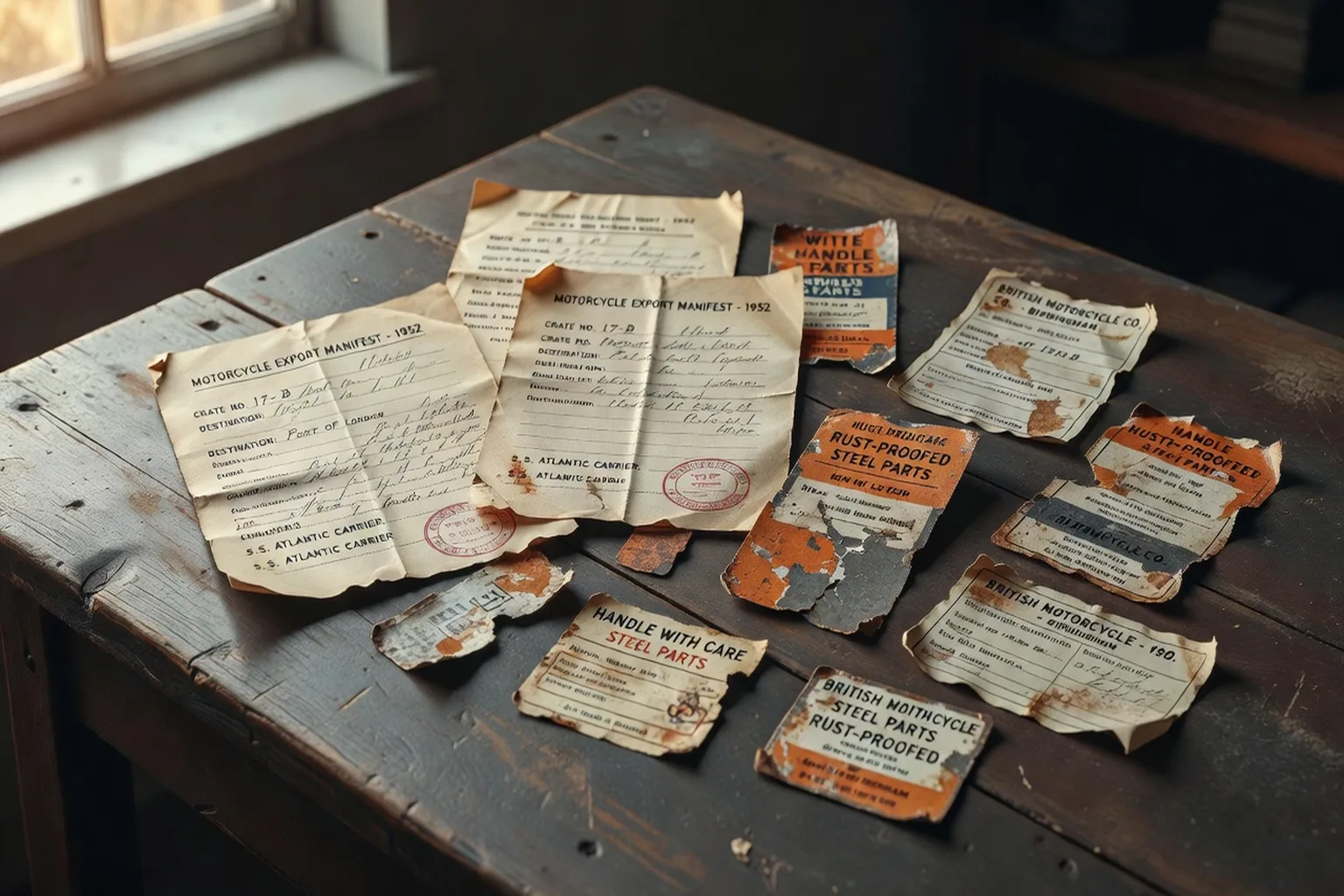
During the Cold War period, Ural (and its sister marque Dnepr, produced at a separate factory) were distributed through state channels to Warsaw Pact militaries and allied states, consistent with the broader Soviet practice of standardizing equipment across the bloc. Domestic civilian sales within the USSR also grew over these decades, as the sidecar became a practical utility vehicle for a population with limited car ownership, particularly outside major cities.
Public, itemized figures for country-by-country military versus civilian export volumes from this era are not comprehensively available in open sources, which is an important limitation to acknowledge rather than paper over with invented specifics. What is well documented is the pattern: standardized Soviet-bloc military hardware supply, combined with growing domestic civilian production, rather than a Western-style consumer export strategy aimed at hard-currency markets.
| Period | Primary market logic | Distribution channel |
|---|---|---|
| 1941-1950s | Military production for Red Army | State military procurement |
| 1950s-1980s | Military plus growing domestic civilian use | State channels; Warsaw Pact allied supply |
| Post-1991 | Privatization, Western civilian export begins | New commercial import/distribution networks |
| 2000s-2010s | Product adapted for Western regulatory markets | Established dealer networks, EFI introduced |
The 1991 Turning Point
The dissolution of the Soviet Union fundamentally changed IMZ-Ural’s position. State military procurement, which had underpinned decades of production volume, contracted sharply, and the factory transitioned toward civilian and export sales as a matter of commercial survival rather than strategic choice. This period saw IMZ move toward private ownership structures and begin actively courting Western buyers — a market the brand had essentially never had to build relationships with before, since Soviet-era distribution had run through state channels rather than dealer networks and marketing.
Key takeaway: The single biggest discontinuity in Ural’s export history isn’t a product change — it’s 1991, when a factory built around state military procurement had to become a company that sold to individual Western consumers for the first time.
Product Adaptation for Western Markets
Reaching Western European and North American buyers required more than opening a sales office. Over the 2000s and into the 2010s, IMZ-Ural made substantive product changes aimed specifically at Western regulatory and consumer expectations:
- Electronic fuel injection (EFI): introduced to meet emissions standards that carbureted engines could no longer satisfy in key export markets, alongside improving cold-start reliability and fuel consistency.
- Quality control investment: Western distributors and reviewers through the 2000s and 2010s documented a marked improvement in fit, finish, and reliability compared to earlier export-era machines, reflecting deliberate investment in manufacturing consistency.
- Compliance and homologation: adapting the platform to pass type-approval requirements in the EU and North America, a process entirely absent from the Soviet-era production logic.
- Distribution structure: building an actual dealer and importer network, rather than relying on state-to-state trade arrangements or grey-market individual imports.
Reaching France and Western Europe Today
Modern distribution in Western Europe runs through official importers and dealer networks rather than the individual or small-batch imports that characterized the early post-1991 period, when Western enthusiasts sometimes sourced machines through informal channels. France, along with other Western European markets, now has established access to current-production EFI Urals through this formal network, a very different proposition from sourcing parts or machines for an older Soviet-era import.
For a buyer today, this distinction matters directly: a current-model Ural bought through an official channel comes with manufacturer support, parts availability, and documentation that a decades-old Warsaw Pact-market machine, however historically interesting, generally cannot match. See our guide to buying a used Ural for how to evaluate provenance and documentation on the used market, and our collector interview for a closer look at sourcing and identifying older parts and machines.
Ural Compared to Other Eastern Bloc Exports
Ural wasn’t the only Soviet-sphere motorcycle brand to navigate the transition from state-planned production to Western export. Two useful points of comparison:
- Dnepr: produced at a separate Kyiv-based factory sharing early design lineage with Ural, Dnepr followed a broadly similar military-to-civilian trajectory but experienced a more turbulent post-Soviet transition, and its Western export presence today is considerably smaller and less consistent than Ural’s.
- MZ (Motorradwerk Zschopau): an East German manufacturer whose products and export story ran through Comecon channels rather than direct Soviet military procurement; MZ’s post-reunification history took a different path entirely, eventually ceasing production under that name.
Set against these comparisons, Ural’s continuity — the same core architecture, the same production site, and a sustained (if transformed) export presence from the Soviet era through to today — is relatively unusual among Eastern Bloc motorcycle brands.
Reading Provenance on an Older Machine
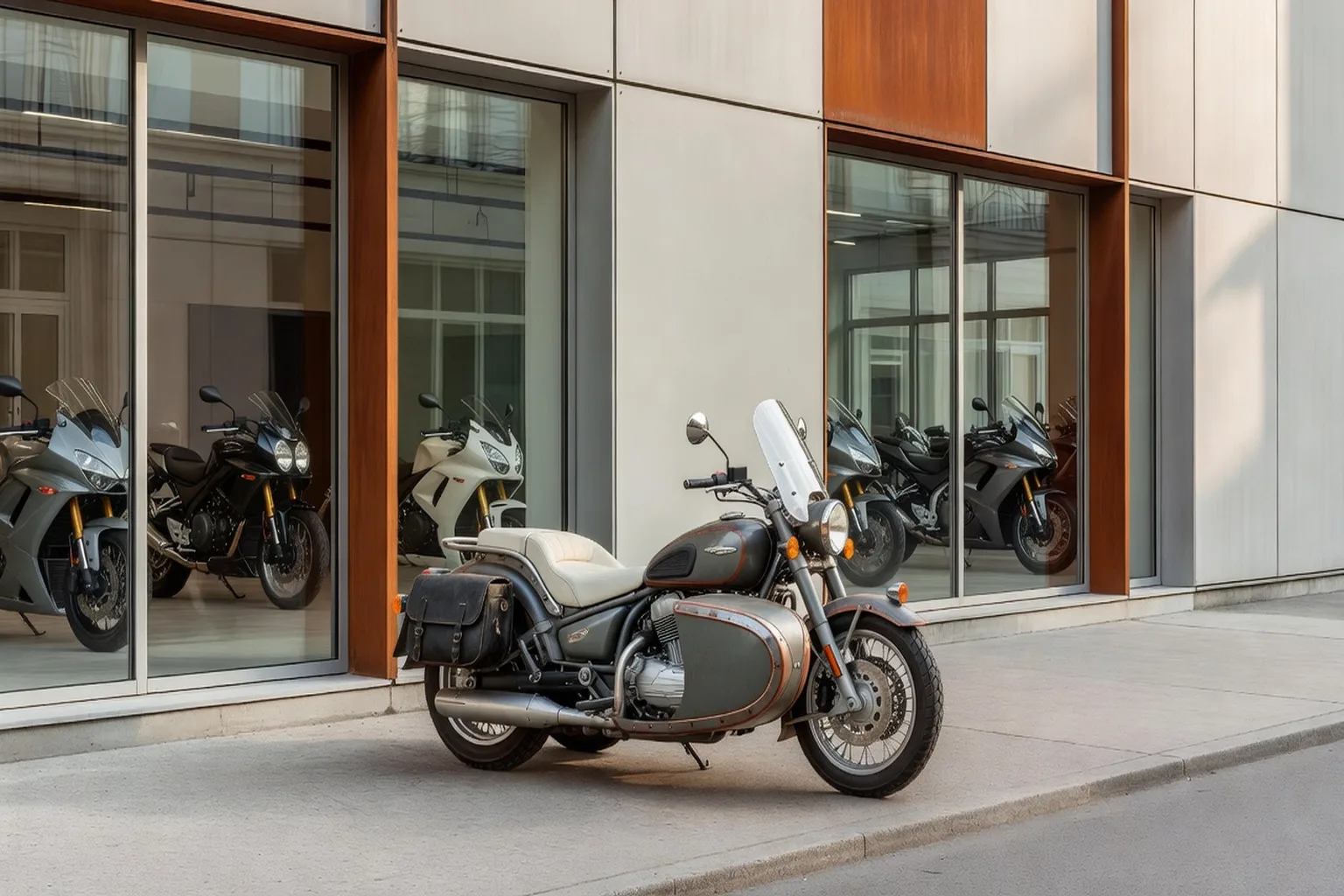
For a buyer or history-minded owner trying to date or identify an older Ural, the practical takeaway from this history is that documentation matters more than assumption. A machine with clear import paperwork through a known post-1991 distributor is straightforward to place; a Soviet or Warsaw Pact-era machine without accompanying documentation is much harder to definitively categorize from physical inspection alone, and claims about its specific military or export history should be treated cautiously unless supported by paperwork or verifiable provenance. Our Ural models guide covers the current EFI-era lineup for comparison against older, less documented machines.
Key takeaway: Don’t rely on visual similarity alone to date or place an older Ural — the same core silhouette spans a military vehicle built for the Red Army and a modern EFI machine sold through a Western dealer, separated by both decades and a fundamentally different manufacturing and distribution logic.
What this history means for today’s buyer is straightforward: the brand’s current export position — a small but established manufacturer selling a niche, purpose-built product through formal Western dealer networks — is the product of a genuine industrial and political transformation, not simply a company that has always sold the same way it does now.
Separating Documented Fact from Geopolitical Context
Discussing a Soviet-origin, military-descended vehicle brand inevitably touches Cold War geopolitics, and it’s worth being explicit about where documented fact ends and broader context begins. What’s documented: the 1941 relocation to Irbit, the platform’s military origin and Warsaw Pact-era distribution pattern, and the 1991 privatization and subsequent shift toward Western civilian export. What’s context rather than hard fact: the specific internal Soviet decision-making behind individual export arrangements, exact country-by-country volumes for military versus civilian distribution in any given decade, and the lived experience of owning or operating these machines within the USSR or allied states, which varied enormously by region, era, and use case and isn’t reducible to a single narrative.
This distinction matters for readers trying to use this history responsibly — whether to date a machine, understand a brand’s identity, or simply satisfy curiosity about how an unusual vehicle ended up in a Western garage. Treating documented industrial history (factory locations, ownership changes, product timelines) as settled fact is reasonable; treating specific claims about individual export transactions or usage as settled fact, absent supporting documentation, is not.
Why the Export Story Still Shapes the Brand Today
The transition from state-planned military production to Western consumer sales left visible marks on how IMZ-Ural operates even now. The emphasis on rugged simplicity and field-serviceability in current marketing traces directly back to a design brief written for military utility, not consumer comfort — a lineage the brand leans into rather than obscures. Similarly, the relatively small production scale that frustrates buyers used to mainstream motorcycle availability is itself a legacy of the post-1991 transition, when the factory had to rebuild a commercial operation essentially from scratch rather than scaling an existing consumer business.
Key takeaway: Understanding the Ural as a vehicle that had to reinvent its entire commercial purpose after 1991 — not just update its product line — explains a lot about why it remains a niche, deliberately old-fashioned machine rather than one that chased mainstream motorcycle market trends over the following decades.
For today’s owner or prospective buyer, this history is more than trivia: it’s a useful lens for evaluating any specific machine’s provenance, and for understanding why the modern export-market Ural, despite sharing a name and silhouette with a Cold War military vehicle, is fundamentally a product of the post-1991 transformation rather than a straight continuation of Soviet-era manufacturing.
Frequently Asked Questions
The Ural's design lineage began as a military project: Soviet engineers reverse-engineered the BMW R71 in the late 1930s specifically to equip the Red Army with a domestically produced sidecar platform. Production shifted to Irbit in 1941 for strategic reasons, and the M-72 that resulted served primarily military and later paramilitary and utility roles for decades before civilian export became a meaningful part of the business.
Documented export markets during the Soviet period centred on Warsaw Pact and allied states, where the Ural and its sibling Dnepr were supplied alongside domestic Soviet distribution for military, police, and utility use. Some units also reached other Soviet-aligned states through state-to-state trade arrangements, though detailed public sales figures by country from this era are limited compared to what's available for the post-1991 period.
Irbit, in the Sverdlovsk region east of the Ural Mountains, was chosen in 1941 specifically because it was far from the western front, where existing motorcycle production facilities were under threat from the German invasion. Relocating manufacturing to the Urals region — which gave the brand its name — was a wartime strategic decision, not a peacetime industrial choice.
Original export-market documentation, dealer stickers, and in some cases VIN or engine number ranges tied to specific export batches are the most reliable indicators, though record-keeping varies significantly by era and destination market. For post-1991 models, paperwork through an official Western importer is the clearest evidence; for Soviet-era machines, provenance often relies on accompanying documentation, prior ownership history, and physical inspection by someone familiar with the differences between generations rather than a single definitive marker.
The core flat-twin OHV architecture traces its lineage back to the original BMW-derived design, but the modern EFI-equipped Ural sold in Western markets today has been substantially updated for emissions compliance, fuel delivery, and reliability compared to Soviet-era carbureted models. The visual family resemblance is deliberate and central to the brand's identity, but the underlying components have evolved considerably since the 1990s transition.